On March 19, 2026, the NGO Committee on the Family, New York, invited expert speakers for an interesting conversation, addressing the very timely and important topic of Family Farming: Raising Women Out of Poverty in Developing Countries
A video of the full discussion is available here.
Speakers:
Courtney Hood Head of IFAD Liaison Office, New York – The International Fund for Agricultural Development (IFAD) is a UN agency based in Rome, Italy, that assists farmers in financing and other ways.
Dan Collison Chief Executive, FarmAfrica, London – FarmAfrica is a non-profit organization based in London that works to assist farmers in several African countries.
The United Nations has declared 2026 as The International Year of the Woman Farmer: “a global campaign aimed at recognizing women’s indispensable yet often overlooked contributors to global agrifood systems and to galvanize efforts to close persistent gender gaps.”
According to data compiled by the Food and Agriculture Organization (FAO), “The agricultural sector employed 892 million people worldwide in 2022, which corresponds to 26.2 percent of total employment. Women constituted 28.5 per cent of the global agricultural workforce”. The share of employment in agriculture in 2022 was highest in Africa (48 percent) and lowest in Europe (5 percent).” (https://www.fao.org/statistics/highlights-archive/highlights-detail/employment-indicators-2000-2022-(september-2024-update)/en)
As of 2026, the United States had 2,257,000 employed in agriculture and related industries according to the US Bureau of Labor Statistics. About one-third are women. They produce enough food to not only fulfill national needs but also make the US the largest food exporter in the world. Yet agriculture accounts for only about one percent of GDP.
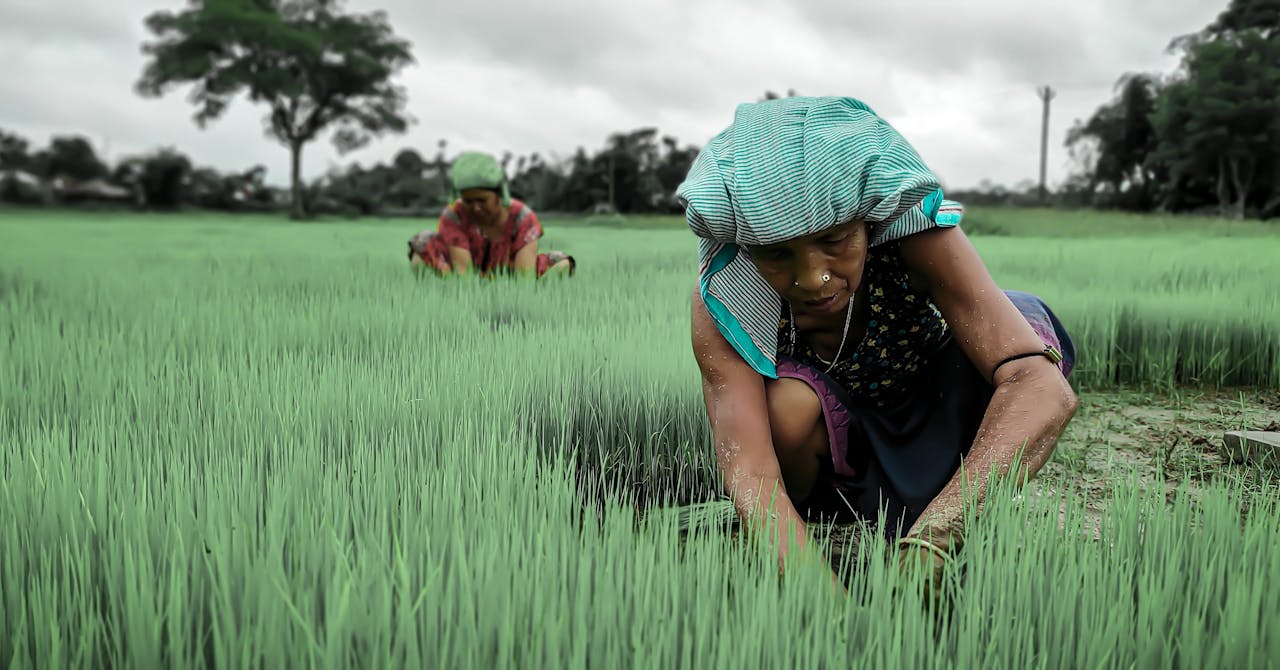
This is not the case elsewhere. Agriculture is a major employer and component of economic output in developing countries especially in Africa. For example, agriculture accounts for about 20% of GDP in Nigeria and as much as 30% in Kenya. Many farmers are women, some of whom tend their land alone, with their spouse having emigrated to a more prosperous country in search of a better-paying job.
These women could use some expertise to develop better farming methods to improve the quality of farm products and boost yields. Some need a source of financing to buy fertilizer, seeds, tools, or farm animals. Others could use assistance to find new markets to expand their sales. If such needs are met, they would not only “close the gender gap” but allow women to earn more income to benefit their families, especially children. If a mother earns more from her improved farming activities, children would not be needed on the farm but instead be sent to school for an education. Assistance is available from various sources, such as the two organizations of our chosen speakers, with programs designed to assist farmers, especially women farmers.